Sunburns, Free Radicals & DNA Damage — Explained Simply.
We all love the feeling of warm sunshine on our skin. But what UV radiation actually does to your skin beneath the surface — from the very first minute of exposure — is far more significant than most of us realise. Whether it ends in a faint tan or a painful burn, your skin is responding to real biological damage. And that damage accumulates, quietly, over years.
In this post, we're breaking down exactly what happens at the cellular level — in plain language, with no scare tactics — so you can make genuinely informed choices for your skin, every day.
What Is a Tan — and What Is a Sunburn?
A tan is not a health sign — it's a damage signal
When UV radiation hits your skin, your skin responds by producing more melanin — the pigment that gives skin its colour. Melanin acts like a natural umbrella, shielding the DNA inside your skin cells from further UV exposure. It's your body's built-in protection system.
But here's the key thing: that bronzed look takes 3 to 7 days to visibly appear. By the time you see the tan, the UV damage that triggered it is already done. A tan is not a sign of health — it is visible proof that your skin has been injured.
A sunburn is your body's inflammatory response
Sunburn happens when UV exposure overwhelms your skin's defences. Here's the part that catches most people off guard: you don't feel it happening. The redness, heat, and tenderness don't appear until 4 to 6 hours after exposure — long after the UV damage has already begun. What you're seeing and feeling is your body's inflammatory response to injured cells, not the initial damage itself.
Within 24 to 72 hours, the most damaged skin cells die off and begin to shed. That peeling? It's your skin literally discarding its most compromised layer.
What UV Radiation Actually Does Deep Inside Your Skin
UV radiation doesn't just sit on the surface — it penetrates into different skin layers, and each layer absorbs a different type of damage.
UVB: the burn ray (damages the epidermis)
UVB rays (shorter wavelength, 290–320 nm) are absorbed mainly in the epidermis — the outermost living layer of your skin. This is where your keratinocytes live. UVB hits these cells like a lightning bolt, directly breaking and distorting DNA inside them. It's fast and targeted, and it's the primary cause of sunburn, skin texture damage, and UV-related skin cancer.
UVA: the silent ageing ray (reaches the dermis)
UVA rays (longer wavelength, 320–400 nm) penetrate much deeper — all the way into the dermis, where your collagen and elastin fibres live. UVA doesn't burn dramatically, but it triggers a cascade of unstable molecules called reactive oxygen species (free radicals) that attack collagen, weaken blood vessel walls, and damage cell membranes. Critically, UVA is present year-round, on cloudy days, and through glass windows.
Free Radicals and DNA Damage: The Science Made Simple
This is where it gets important to understand — because free radicals and DNA damage are at the root of almost every long-term skin concern linked to sun exposure.
What are free radicals, exactly?
Think of it like a chain reaction. UV energy knocks electrons out of molecules inside your skin cells, creating free radicals — unstable molecules that immediately steal electrons from their neighbours. Each “theft” creates another unstable molecule, which does the same thing again. It's a cascade that can damage thousands of cell components in seconds.
The most destructive free radical in this process is the hydroxyl radical (•OH), produced when UV-triggered hydrogen peroxide reacts with iron naturally present in your cells. It attacks DNA, lipid membranes, and structural proteins without any discrimination.
DNA damage from sun exposure — what actually happens
UV radiation causes two main types of DNA damage in your skin cells:
- Thymine dimers (CPDs): UVB fuses adjacent DNA building blocks together, physically bending the DNA strand so the cell can no longer read its own instructions. These are the most common UV-induced lesions and are directly linked to the mutations found in most skin cancers.
- Oxidised DNA bases (8-oxo-dG): UVA's free radicals chemically alter a specific DNA base called guanine. This damage is subtle — it doesn't distort the DNA visibly — which makes it harder for your cells to detect and repair, and it's a key driver of melanoma development.
When your body detects this DNA damage, a protein called p53 — often called the “guardian of the genome” — steps in. It pauses cell division to allow repairs. But if the damage is too severe, p53 signals the cell to self-destruct. That mass die-off of damaged cells is what you see when sunburned skin peels. The peeling is apoptosis — programmed cell death — at a visible scale.
Long-Term Sun Damage Risks: What Accumulates Over the Years
UV skin damage is cumulative. Each individual tan or burn may feel minor, but your skin keeps a running record. Here's what that record can look like over time:
Premature skin ageing (photoageing)
UV exposure is responsible for up to 80% of visible facial ageing — fine lines, deep wrinkles, sagging, and loss of firmness. UVA degrades collagen and elastin, the proteins that keep skin plump and structured. Once those fibres break down, the skin loses its scaffolding. This process, called photoageing, is largely preventable with consistent daily sun protection.
Melasma and dark spots
Melasma — those stubborn patches of deep, uneven pigmentation on the cheeks, forehead, and upper lip — is directly triggered and worsened by UV exposure. UV overstimulates melanocytes, the pigment-producing cells, causing them to become chronically hyperactive. Even indirect UV exposure (through a window or on overcast days) can make melasma worse. Post-inflammatory dark spots from breakouts or skin trauma also deepen significantly with UV exposure.
Vascular damage and redness
Repeated UVA exposure causes blood vessels in the dermis to dilate repeatedly. Over time, those vessels lose elasticity and become permanently visible — presenting as facial redness, broken capillaries, diffuse flushing, or early-stage rosacea. This kind of vascular damage is especially common in people with fair or sensitive skin who've had years of unprotected sun exposure.
Chronic skin sensitivity
Cumulative UV damage thins the skin's natural barrier, depletes its lipid levels, and disrupts the skin microbiome. The result is skin that becomes increasingly reactive — more easily irritated by products it once tolerated, more prone to redness and sensitivity, and less able to defend itself. UV also suppresses the skin's local immune function with each exposure.
Skin cancer
The UV mutation signature — specific DNA changes caused by UV — is found in the vast majority of squamous cell carcinomas, basal cell carcinomas, and melanomas. Skin cancer is largely preventable. Consistent photoprotection is the single most effective intervention available.
How to Prevent Sun Damage: Antioxidants + Sunscreen Together
Sunscreen is your foundation — but it isn't a complete shield on its own. Even the best SPF filters cannot block 100% of UV radiation. Some rays still get through. When they do, free radicals are produced inside your skin. This is where antioxidant serums come in.
Best antioxidant ingredients to pair with your SPF
Vitamin C (L-ascorbic acid): The gold standard antioxidant for sun protection. It neutralises free radicals, supports collagen synthesis, and brightens UV-induced pigmentation. Apply in the morning under your sunscreen for maximum benefit.
Vitamin E (tocopherol): Works synergistically with vitamin C — the combination is significantly more effective than either alone. Also supports the skin barrier.
Niacinamide (vitamin B3): Calms UV-triggered inflammation, strengthens the skin barrier, reduces melanin transfer to skin cells (helpful for dark spots and melasma), and has been shown to partially reverse UV immunosuppression.
Ferulic acid: Dramatically amplifies the stability and effectiveness of vitamins C and E. Almost always formulated together with them for exactly this reason.
Resveratrol: A plant-derived antioxidant with strong anti-inflammatory properties. Activates cellular pathways involved in DNA repair.
Green tea extract (EGCG): Shown to reduce UV-induced DNA damage and suppress the inflammatory pathway that drives sunburn pain and redness.
How to layer your morning routine for sun protection
- Step 1 — Cleanser
- Step 2 — Antioxidant serum (vitamin C, niacinamide, or a multi-antioxidant blend)
- Step 3 — Moisturiser
- Step 4 — Broad-spectrum SPF 50 (last skincare step, before makeup)
More Skincare Tips to Protect and Repair Sun-Exposed Skin
Wear SPF every day — not just in summer
UVA rays are present every day in Calgary, through every season, through clouds and glass. Your morning commute, your desk near a window, your quick lunch-hour walk — it all adds up. Daily SPF is the single highest-return skincare investment you can make.
Apply antioxidants after sun exposure too
Research shows that applying antioxidants within 30 minutes of sun exposure can meaningfully reduce oxidative damage before it becomes permanent. Vitamin C serum or antioxidant-rich treatment applied when you come inside is not redundant — it's damage control at the cellular level.
Prioritize sleep for DNA repair
Sleep is when your skin's DNA repair enzymes are most active. The nucleotide excision repair system that corrects UV-induced DNA lesions follows a circadian rhythm and peaks overnight. Adequate sleep is a genuine part of sun damage recovery — not just a wellness cliché.
Address pigmentation with the right ingredients — plus SPF
If you're managing melasma or post-inflammatory dark spots, consistent sun protection is non-negotiable — it's the foundation every brightening treatment builds on. Without SPF, actives like tranexamic acid, azelaic acid, and kojic acid are working uphill. Pair your brightening routine with daily SPF and you'll see results significantly faster.
Book a professional skin assessment
If you've noticed changes — uneven pigmentation, persistent redness, deepening texture, or new sensitivities — a professional skin evaluation can help identify what UV damage may have contributed and build a personalised protocol. At Skin4Life, our treatments are designed to work with your skin's biology, address the root of what's happening, and support long-term skin health.
Frequently Asked Questions About UV Radiation and Skin Damage
What does UV radiation do to your skin?
UV radiation penetrates the skin and causes two main types of damage: direct DNA damage (primarily from UVB) and oxidative damage via free radicals (primarily from UVA). Together, these lead to sunburn, premature ageing, pigmentation disorders like melasma, and over time, increased risk of skin cancer.
Is a tan a sign of skin damage?
Yes. A tan is your skin's delayed response to UV injury. When UV radiation damages skin cells, melanocytes are stimulated to produce more melanin as a protective response. By the time the tan is visible (3–7 days later), the initial UV damage has already occurred.
What are free radicals in skin?
Free radicals are unstable molecules produced when UV energy knocks electrons out of molecules inside your skin cells. They trigger a chain reaction — attacking cell membranes, collagen fibres, and DNA — that causes oxidative stress. Antioxidant ingredients neutralise free radicals before they can cause lasting damage.
How does sunscreen protect skin from DNA damage?
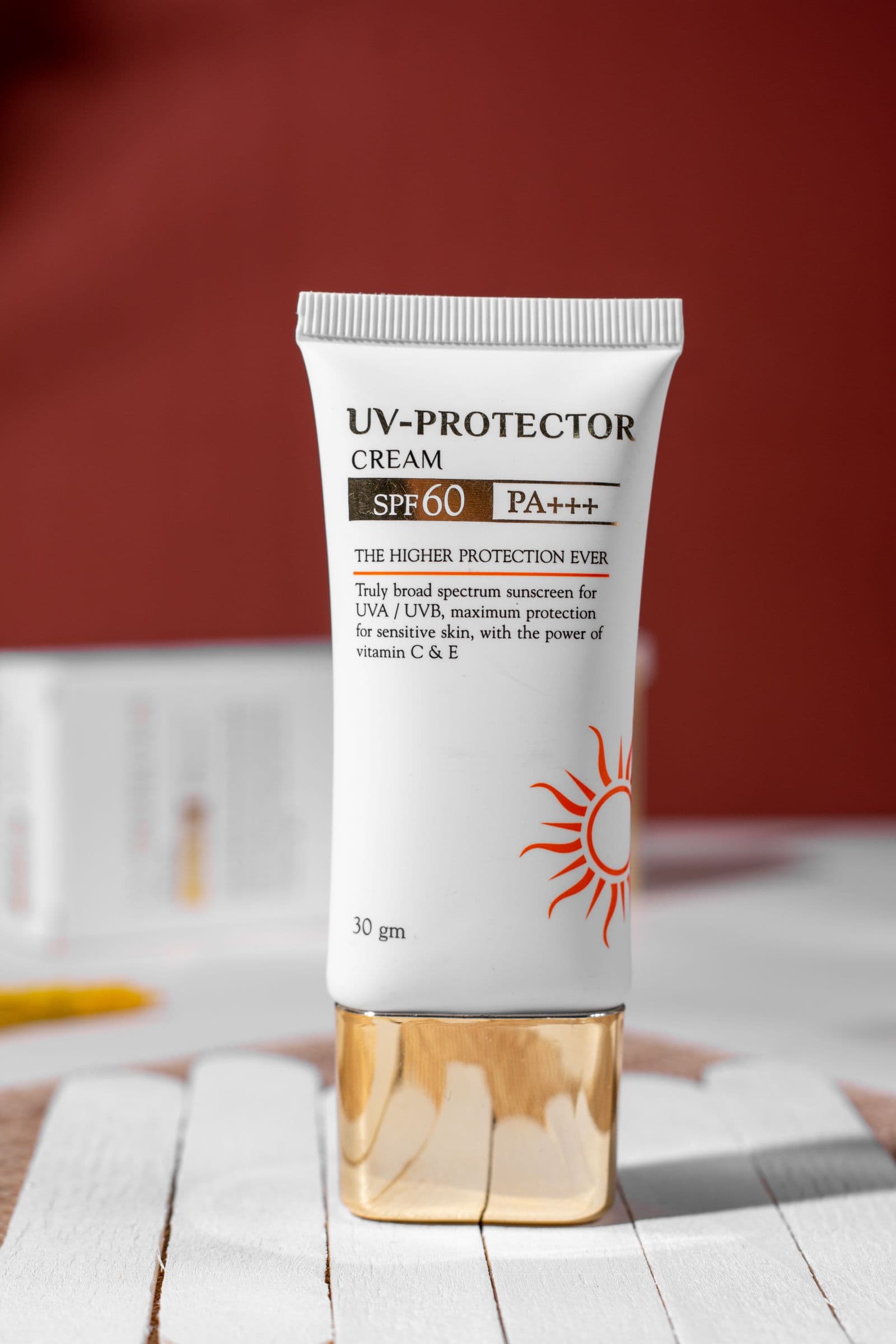
Sunscreen filters UV radiation before it can penetrate the skin, reducing the number of UV photons that reach your keratinocytes and melanocytes. Broad-spectrum formulas protect against both UVB (which causes direct DNA breaks) and UVA (which generates free radicals). Pairing sunscreen with antioxidant serums provides an additional layer of defence against any UV that still gets through.
What causes melasma to get worse?
Melasma is primarily triggered and worsened by UV exposure, even in small amounts. UV overstimulates melanocytes, causing chronic overproduction of melanin in specific areas. Even indirect UV — through windows or on overcast days — can deepen existing melasma. Consistent daily use of broad-spectrum SPF is the foundation of any melasma management plan.
Beauty forms from within. And so does the damage — which is exactly why protection starts at the cellular level, every single day.
Book your consultation
Book at Skin4LifeCurious about skincare science, at-home and in-clinic treatments, and decoding the latest trends? Follow along on Instagram @skin4life_beautybar.
References & Citations
- Brenner, M. & Hearing, V.J. (2008). The protective role of melanin against UV damage in human skin. Photochemistry and Photobiology, 84(3), 539–549.
- Maverakis, E. et al. (2010). Light, including ultraviolet. Journal of Autoimmunity, 34(3), J247–J257.
- World Health Organization (2023). Ultraviolet radiation and the INTERSUN Programme. WHO Global Health Reports.
- Nishigori, C. (2006). Cellular aspects of photocarcinogenesis. Photochemical & Photobiological Sciences, 5(2), 208–214.
- Matsumura, Y. & Ananthaswamy, H.N. (2004). Toxic effects of ultraviolet radiation on the skin. Toxicology and Applied Pharmacology, 195(3), 298–308.
- Soehnge, H., Ouhtit, A. & Ananthaswamy, H.N. (1997). Mechanisms of induction of skin cancer by UV radiation. Frontiers in Bioscience, 2, d538–551.
- Cadet, J. & Wagner, J.R. (2013). DNA base damage by reactive oxygen species, oxidizing agents, and UV radiation. Cold Spring Harbor Perspectives in Biology, 5(2), a012559.
- Ravanat, J.L., Douki, T. & Cadet, J. (2001). Direct and indirect effects of UV radiation on DNA and its components. Journal of Photochemistry and Photobiology B: Biology, 63(1–3), 88–102.
- Halliwell, B. & Gutteridge, J.M.C. (2015). Free Radicals in Biology and Medicine (5th ed.). Oxford University Press.
- Katiyar, S.K. & Mukhtar, H. (1997). Tea in chemoprevention of cancer: epidemiologic and experimental studies. International Journal of Oncology, 8(2), 221–238.
- Herrling, T., Jung, K. & Fuchs, J. (2008). The role of melanin as protector against free radicals in skin. Spectrochimica Acta Part A, 69(5), 1429–1435.
- Vousden, K.H. & Prives, C. (2009). Blinded by the light: the growing complexity of p53. Cell, 137(3), 413–431.
- Gilchrest, B.A. (2013). Photoaging. Journal of Investigative Dermatology, 133(S2), E2–E6.
- Passeron, T. et al. (2020). Sunscreen photoprotection and vitamin D status. British Journal of Dermatology, 181(5), 916–931.
- Krutmann, J. et al. (2017). The skin aging exposome. Journal of Dermatological Science, 85(3), 152–161.
- Schwarz, T. (2008). 25 years of UV-induced immunosuppression mediated by T regulatory cells. Photochemistry and Photobiology, 84(1), 10–18.
- Armstrong, B.K. & Kricker, A. (2001). The epidemiology of UV induced skin cancer. Journal of Photochemistry and Photobiology B: Biology, 63(1–3), 8–18.
- Pinnell, S.R. et al. (2001). Topical L-ascorbic acid: percutaneous absorption studies. Dermatologic Surgery, 27(2), 137–142.
- Lin, F.H. et al. (2003). Ferulic acid stabilises a solution of vitamins C and E and doubles its photoprotection of skin. Journal of Investigative Dermatology, 125(4), 826–832.
- Katiyar, S.K. (2003). Skin photoprotection by green tea: antioxidant and immunomodulatory effects. Current Drug Targets, 3(3), 234–242.
- Bissett, D.L., Oblong, J.E. & Berge, C.A. (2005). Niacinamide: A B vitamin that improves aging facial skin appearance. Dermatologic Surgery, 31(7 Pt 2), 860–865.
- Skotarczak, K. et al. (2015). Photoprotection: facts and controversies. European Review for Medical and Pharmacological Sciences, 19(1), 98–112.
- Gaddameedhi, S. et al. (2011). Control of skin cancer by the circadian rhythm. Proceedings of the National Academy of Sciences, 108(46), 18790–18795.
- Ulrich, C. et al. (2012). The role of UV-radiation in melanoma etiology. ESMO Open (supplementary review).
- Gupta, A.K. & Gover, M.D. (2006). Azelaic acid (15% gel) in the treatment of acne vulgaris. International Journal of Dermatology, 45(5), 534–538.
This content is for educational purposes and does not constitute medical advice.